
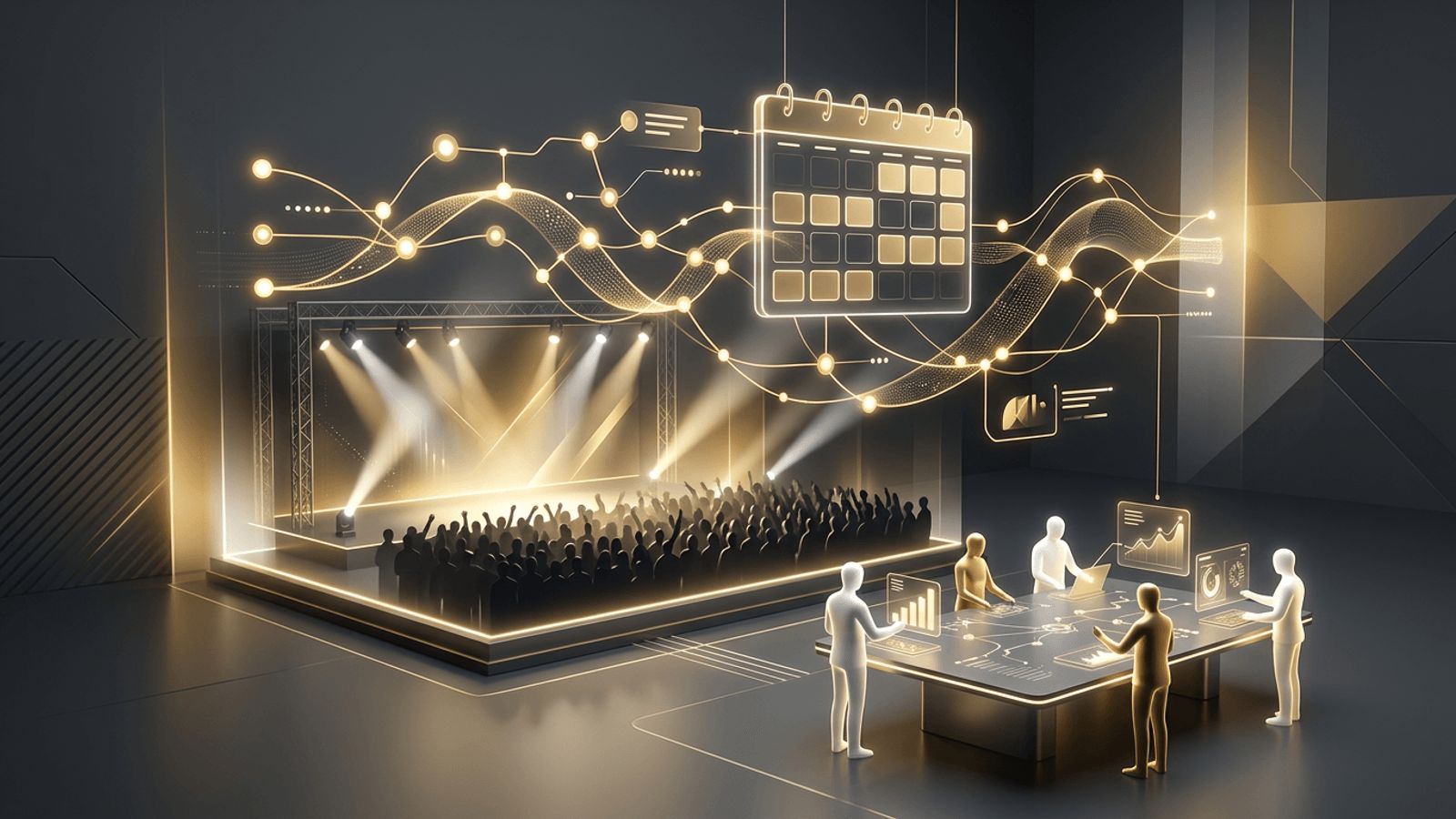
Behind every sold-out conference, packed product launch, or buzzing community meetup is a carefully plotted marketing strategy. Yet many organizations struggle with a deceptively simple question: who is actually responsible for building that strategy? The answer depends on the size of the event, the structure of the organization, and the goals the event is meant to achieve. In most cases, event marketing strategy is a collaborative effort led by a marketing strategist or event marketing manager, supported by planners, content creators, digital specialists, and sales teams. Understanding who does what helps you avoid gaps, eliminate wasted spend, and deliver an event that people remember.
How AAMAX.CO Helps Plan and Promote Events
For organizations that do not have a full in-house marketing team, partnering with an experienced agency is often the fastest way to get a professional event strategy in place. AAMAX.CO is a full-service digital marketing company that offers web development, digital marketing, and SEO services worldwide. Their team can build dedicated event landing pages, set up registration funnels, run targeted paid campaigns, and craft social media promotion that builds anticipation in the weeks leading up to an event. Because they handle both the technical and promotional sides, they help businesses launch cohesive event campaigns without juggling multiple vendors.
The Event Marketing Manager: The Strategic Lead
In most organizations, the event marketing manager is the person who plots the overall strategy. They define the event's objectives, identify the target audience, set the budget, and decide which channels will be used to reach attendees. They also establish key performance indicators such as registrations, attendance rates, cost per attendee, leads generated, and post-event engagement. The event marketing manager acts as the hub connecting every other contributor, ensuring the message stays consistent from the first announcement to the final thank-you email.
The Event Planner: Aligning Logistics With Marketing
Event planners focus on venues, vendors, schedules, catering, and the attendee experience. While they are not always responsible for promotion, their decisions directly shape the marketing message. A unique venue, a celebrity keynote speaker, or an exclusive networking session becomes a selling point that marketers can highlight. The best event strategies are built when planners and marketers work side by side, so the promises made in promotional materials are fully delivered on the day of the event.
Digital Marketing Specialists: Driving Awareness and Registrations
Today, the majority of event registrations are driven by online channels. Digital marketing specialists manage paid advertising, email campaigns, search visibility, and social media promotion. They segment audiences, build retargeting lists, and optimize ad spend based on real-time performance data. Businesses that lack this expertise internally often turn to specialized social media marketing support to build excitement, share speaker announcements, and encourage attendees to invite their networks.
Content Creators and Designers: Telling the Event Story
An event needs a story, and content creators are the ones who tell it. Copywriters craft compelling headlines, speaker bios, blog posts, and email sequences. Designers produce visual identities, banners, presentation templates, and video teasers. Together they create a recognizable event brand that makes every touchpoint feel connected. Strong storytelling is often the difference between an event that people scroll past and one that they feel compelled to attend.
Sales and Partnership Teams: Extending Reach
For business events and trade shows, sales and partnership teams play a critical role in strategy. They know which clients and prospects should be invited, which sponsors can amplify promotion, and which partners can co-market the event to their own audiences. Their insights help marketers prioritize high-value attendees and design personalized invitations that drive meaningful business outcomes, not just headcount.
Key Steps in Plotting an Event Marketing Strategy
Regardless of who leads the effort, a strong event marketing strategy follows a clear sequence. First, define the purpose of the event, whether that is generating leads, launching a product, educating customers, or strengthening community. Second, identify your audience and create attendee personas that describe their motivations, challenges, and preferred channels. Third, set measurable goals and a realistic budget. Fourth, build a promotional timeline that includes early announcements, early-bird offers, speaker reveals, reminder campaigns, and last-chance pushes.
Next, choose your channels. A dedicated, fast-loading event website optimized for search makes it easy for people to find details and register. Investing in search engine optimization ensures your event page appears when potential attendees search for relevant topics, locations, or industry gatherings. Paid campaigns, email marketing, influencer partnerships, and community outreach can then amplify that foundation.
Using Paid Advertising to Fill Seats
When registration deadlines approach, paid advertising can provide a powerful boost. Search ads capture people who are actively looking for events in your niche, while display and social ads build awareness among lookalike audiences. Well-structured Google Ads campaigns allow you to target by location, interest, and intent, making them ideal for local events and industry conferences alike. Tracking conversions from each ad group helps you shift budget toward the messages and audiences that perform best.
Measuring Success Before, During, and After the Event
An event marketing strategy is not complete without measurement. Before the event, track registrations, traffic sources, and conversion rates. During the event, monitor social mentions, live engagement, and session attendance. After the event, measure survey responses, content downloads, sales pipeline generated, and repeat attendance intent. These insights inform the next event and help leadership understand the true return on investment.
Common Mistakes to Avoid
One of the most common mistakes is starting promotion too late. Most successful events begin marketing several weeks or even months in advance. Another mistake is unclear ownership, where everyone assumes someone else is handling promotion. Finally, many organizers neglect post-event marketing. Sharing recordings, highlights, and key takeaways extends the life of the event and builds anticipation for the next one.
Final Thoughts
So who plots the marketing strategy for an event? Usually, it is an event marketing manager or strategist who leads a cross-functional team of planners, digital specialists, content creators, and sales professionals. When each role is clearly defined and aligned around shared goals, the result is an event that attracts the right audience, delivers real value, and supports long-term business growth. Whether you build that team internally or collaborate with an experienced partner, a well-plotted strategy is the foundation of every memorable event.
Want to publish a guest post on aamconsultants.org?
Place an order for a guest post or link insertion today.