
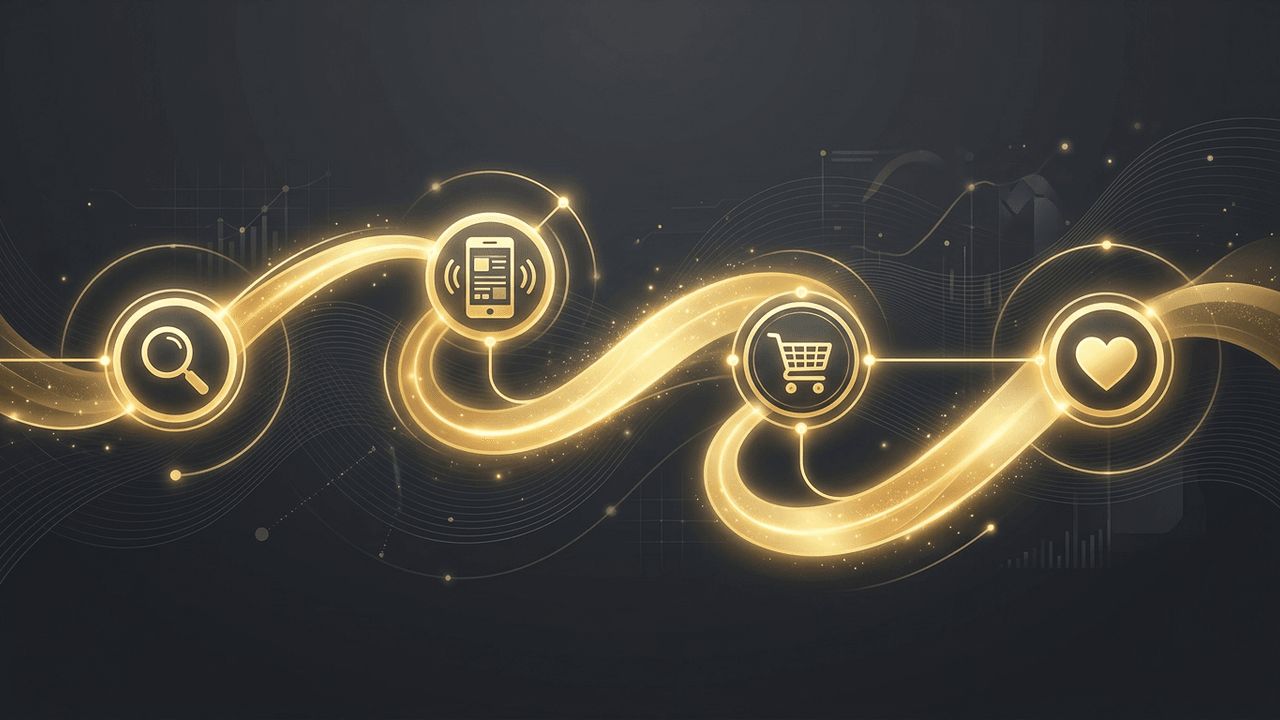
Every purchase, subscription, or signed contract is the end point of a series of moments: a search, a social post, a review, a website visit, an email, a conversation with sales. Together these moments make up the customer journey. Businesses that understand this journey can show up with the right message at the right time, while businesses that ignore it spend money reaching people who are not ready to listen. In digital marketing, where every click and scroll can be measured, mapping and improving the customer journey has become one of the most reliable ways to turn marketing budgets into revenue.
How AAMAX.CO Helps Brands Build Better Customer Journeys
AAMAX.CO is a full-service digital marketing company that offers web development, digital marketing, and SEO services to clients worldwide. They help brands map every touchpoint a prospect encounters, from the first search to the final conversion, and then build campaigns and websites that guide people smoothly through each stage. Because their team handles strategy, content, paid media, and development under one roof, they can fix weak points in a journey wherever they appear, whether that is a slow landing page, a confusing checkout, or a gap in follow-up messaging. Businesses looking for a partner that treats the customer journey as the foundation of growth can hire them for end-to-end digital marketing support.
What Is the Customer Journey?
The customer journey is the complete path a person takes from first becoming aware of a problem to choosing a solution and, ideally, becoming a loyal advocate. Marketers often break it into stages such as awareness, consideration, decision, retention, and advocacy. At each stage, the customer has different questions, emotions, and expectations. Someone in the awareness stage wants education, not a sales pitch. Someone in the decision stage wants proof, pricing clarity, and reassurance. A journey map documents these stages, the channels people use during each one, and the content or experience that moves them forward.
Why the Customer Journey Matters in Digital Marketing
Digital channels have multiplied the number of touchpoints a buyer encounters. A single customer may see a social ad, read a blog post, watch a video review, compare prices on a marketplace, and open three emails before buying. Without a clear view of the journey, each of these channels operates in isolation, and messages become repetitive, contradictory, or poorly timed. Understanding the journey brings several key benefits.
Relevant Messaging at Every Stage
When marketers know where a prospect is in the journey, they can tailor messaging accordingly. Educational guides and helpful social content serve early-stage audiences, comparison pages and case studies serve the consideration stage, and offers, demos, and testimonials support the final decision. Relevance increases engagement, and engagement increases conversions.
Smarter Budget Allocation
Journey analysis reveals which channels introduce new customers and which ones close sales. A brand might discover that organic search drives most first visits while email drives most purchases. With this knowledge, budgets can be distributed according to each channel's real role instead of last-click assumptions that undervalue awareness efforts.
Reduced Friction and Drop-Off
Journey mapping exposes the points where people abandon the process. Perhaps mobile users leave a product page because it loads slowly, or leads go cold because nobody follows up within a day. Fixing these friction points often produces faster gains than launching new campaigns, because it recovers customers who were already interested.
Stronger Customer Retention
The journey does not end at purchase. Onboarding emails, support content, loyalty programs, and personalized recommendations keep customers engaged after the sale. Since retaining a customer typically costs far less than acquiring a new one, attention to the post-purchase journey has a direct effect on profitability.
Key Touchpoints to Map
A useful journey map captures both digital and offline interactions. Common digital touchpoints include search engine results, social media posts and ads, review platforms, the company website, landing pages, chat widgets, email sequences, and retargeting ads. Each touchpoint should be evaluated for its purpose, the message it delivers, and the action it encourages. Search visibility is particularly important in the early stages, which is why many brands invest in search engine optimization to ensure they appear when prospects first start researching a problem.
How to Build a Customer Journey Map
Creating a journey map does not require complex software. It requires curiosity, data, and honest conversations with customers. A practical process looks like this:
- Define personas: Identify the main types of customers you serve, including their goals, challenges, and buying triggers.
- Gather data: Review analytics, CRM records, support tickets, and survey responses to see how people actually find and evaluate you.
- Interview customers: Ask recent buyers how they discovered you, what almost stopped them, and what convinced them to buy.
- List touchpoints and emotions: Document each interaction and how the customer likely feels at that moment.
- Identify gaps: Highlight stages where content is missing, messaging is weak, or the experience is frustrating.
- Prioritize improvements: Focus first on fixes that affect the largest number of potential customers.
Using Data to Refine the Journey
Analytics tools make it possible to track how people move between channels and pages. Funnel reports show where visitors drop off, attribution models reveal which channels contribute to conversions, and heatmaps show how people interact with key pages. Combining this quantitative data with qualitative feedback creates a complete picture. The journey should be reviewed regularly, because customer behavior changes as new platforms emerge and competitors adjust their strategies.
Personalization and the Customer Journey
Personalization is one of the most powerful applications of journey insight. Marketing automation platforms can trigger emails based on behavior, websites can display different content to returning visitors, and ads can be tailored to people who viewed specific products. The goal is not to overwhelm customers with messages but to make each interaction feel timely and helpful. When personalization is grounded in a clear journey map, it feels like good service rather than surveillance.
Common Mistakes to Avoid
Many businesses create a journey map once and never revisit it. Others design the journey around internal processes rather than customer needs, or focus only on acquisition while neglecting retention. Another frequent mistake is treating every customer the same, ignoring that different personas follow very different paths. Avoiding these pitfalls keeps the journey map a living tool that guides decisions rather than a document that gathers dust.
Conclusion
The customer journey is important for digital marketing because it connects every channel, campaign, and piece of content to a single purpose: helping real people move from curiosity to confidence. Brands that understand the journey deliver relevant messages, spend budgets wisely, remove friction, and build lasting loyalty. Whether you are launching a new business or refining an established marketing program, investing time in understanding your customer journey will pay dividends across every stage of growth.
Want to publish a guest post on aamconsultants.org?
Place an order for a guest post or link insertion today.