
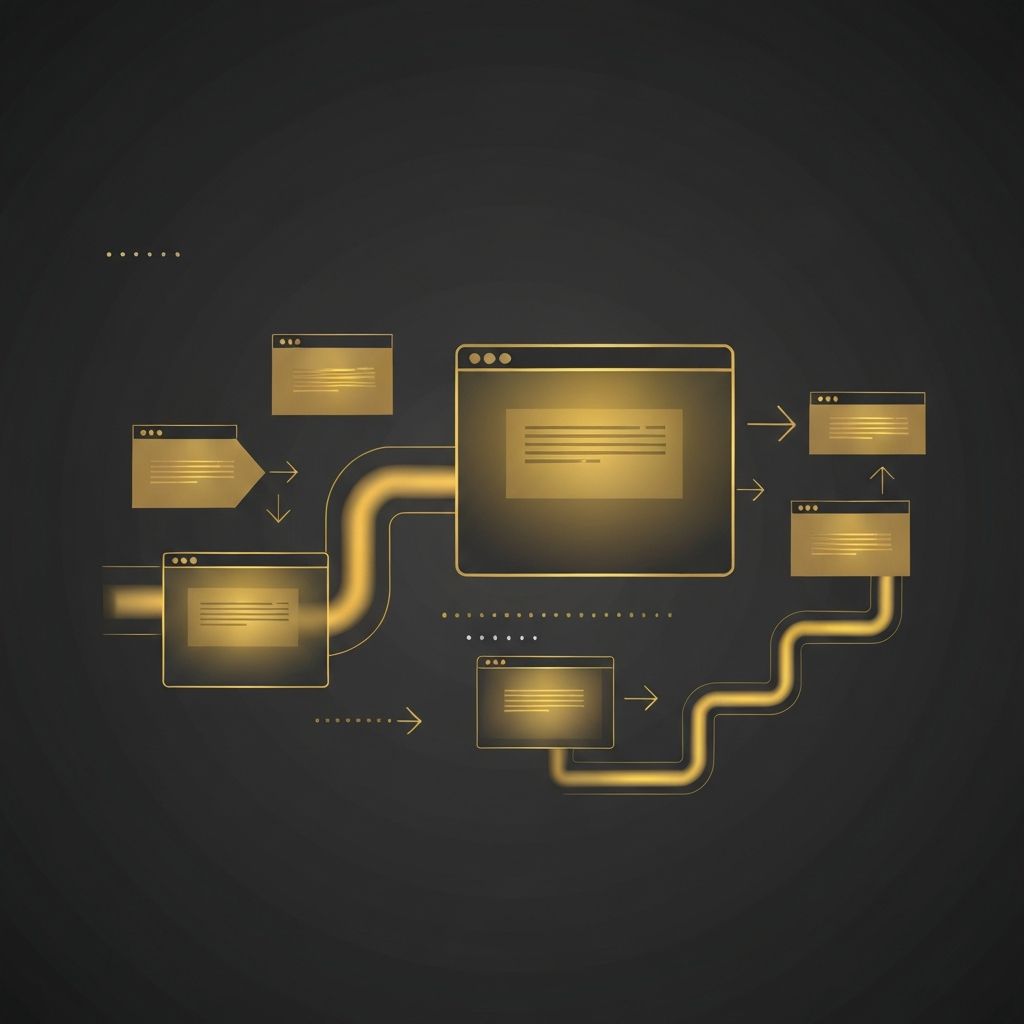
What Is Workflow Web Design?
Workflow web design refers to the structured, repeatable process designers and developers follow to take a website from concept to launch. Rather than diving straight into visuals, a proper workflow ensures every stage is intentional, from research and strategy to wireframing, prototyping, development, testing, and deployment. A well-defined workflow saves time, reduces costly revisions, and produces websites that genuinely meet business goals.
For agencies and freelancers alike, mastering a clear workflow is the difference between chaotic projects and consistent, profitable success. Clients also benefit, knowing exactly what to expect at every milestone.
Streamline Your Workflow With AAMAX.CO
If managing a complete design workflow feels overwhelming, AAMAX.CO can take the entire process off your hands. They are a full service digital marketing company specializing in website development, design, and SEO services for clients worldwide. Their team uses a refined, battle-tested workflow that delivers stunning, conversion-driven websites on time and on budget. From discovery calls to post-launch support, they handle every step with precision so you can focus on running your business.
Stage One: Discovery and Research
The first stage of any successful web design workflow is discovery. This involves understanding the client's business, target audience, competitors, and goals. Workshops, interviews, and surveys help uncover insights that shape every decision later in the process. Skipping this step is a common mistake that leads to beautiful but ineffective websites.
Research should also include analytics review, keyword analysis, and an audit of the existing site if one exists. The deliverable is usually a creative brief that aligns the entire team around a clear vision before any design work begins.
Stage Two: Information Architecture and Wireframes
Once goals are clear, the next step is mapping out how content will be organized. Information architecture defines page hierarchy, navigation structure, and user flows. Wireframes then translate this structure into low-fidelity layouts that focus on functionality rather than visual style.
Wireframes are invaluable because they allow stakeholders to provide feedback on layout and content before colors and typography enter the picture. This prevents endless revision cycles later and keeps the project moving forward efficiently.
Stage Three: Visual Design and Prototyping
With wireframes approved, designers begin creating high-fidelity mockups using tools like Figma or Adobe XD. This is where branding, typography, color, imagery, and micro-interactions come together. Interactive prototypes allow clients to click through the experience and feel how the final site will behave.
Component-based design systems are especially valuable at this stage. Building reusable buttons, cards, and navigation elements ensures visual consistency across the entire site and dramatically speeds up future updates.
Stage Four: Development and Quality Assurance
Development begins once designs are signed off. Front-end developers translate mockups into responsive, accessible code, while back-end developers handle integrations, content management, and performance optimization. A strong workflow includes version control, code reviews, and staging environments where the site can be tested safely.
Quality assurance is non-negotiable. Cross-browser testing, mobile responsiveness checks, accessibility audits, and performance benchmarking should all happen before launch. Catching issues early protects both the client and the agency from launch-day disasters.
Stage Five: Launch and Continuous Improvement
Launching a website is not the end of the workflow. Post-launch monitoring tracks user behavior, conversion rates, and technical performance. Regular updates, A/B testing, and content refreshes keep the site competitive over time. The best workflows treat websites as living products that evolve with the business.
Documentation also matters. Style guides, content guidelines, and developer handoff documents ensure that future team members can maintain and expand the site without losing the original vision.
Tools That Power Modern Design Workflows
Today's design workflows rely on a powerful stack of collaborative tools. Figma dominates visual design and prototyping, while Notion and ClickUp handle project management. GitHub manages code, Loom enables async communication, and platforms like Webflow blur the line between design and development. Choosing the right tools for your team can multiply productivity overnight.
Final Thoughts
A thoughtful workflow web design process turns creative chaos into predictable success. By investing in research, structured stages, and the right tools, teams can deliver exceptional websites that delight clients and users alike. And when you need a partner who has perfected this process, AAMAX.CO stands ready to bring your vision to life.
Want to publish a guest post on aamconsultants.org?
Place an order for a guest post or link insertion today.