
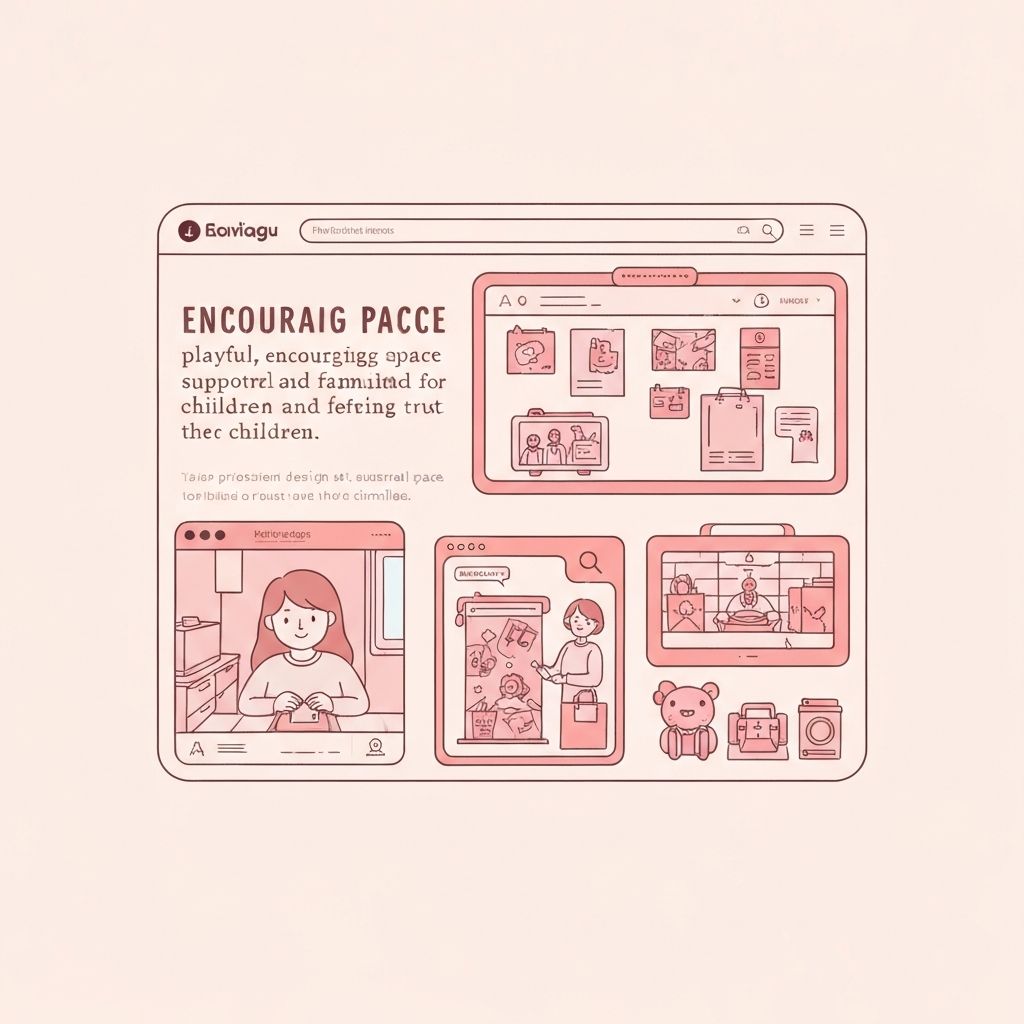
Why Child Care Web Design Matters More Than Ever
Choosing a child care provider is one of the most emotional and high-stakes decisions a parent can make. Long before a parent picks up the phone or schedules a tour, they evaluate your business through your website. A well-crafted child care web design instantly communicates safety, professionalism, warmth, and trust. If your site looks outdated, confusing, or impersonal, parents will quietly move on to a competitor. The right design, on the other hand, can turn a curious visitor into a confident enrolled family.
Modern child care web design is about much more than cute illustrations and pastel colors. It is a strategic blend of user experience, accessibility, content clarity, and conversion design. Every element, from the hero image to the tour request form, should reassure parents that their child will be cared for in a safe, nurturing, and professional environment.
Hire AAMAX.CO for Expert Child Care Web Design
If you want a website that genuinely reflects the quality of your child care center, partnering with experienced professionals makes a huge difference. AAMAX.CO is a full-service digital marketing company that helps child care businesses build modern, trustworthy, and conversion-focused websites. Their team understands how parents make decisions online and they design every page to ease concerns, highlight your strengths, and encourage families to take the next step. From custom website design to seamless website development, they deliver tailored solutions that grow enrollments and elevate your brand.
Building Trust Through Visual Design
Trust is the currency of every child care website. Parents need to feel an emotional connection within seconds of landing on your homepage. Use authentic, high-quality photography of your real classrooms, teachers, and (with permission) children at play. Stock photos can feel sterile and impersonal, while genuine images give parents a transparent look at your environment. Pair these visuals with a clean, friendly color palette, soft rounded shapes, and plenty of white space to evoke calm and care.
Typography also plays a major role. Choose easy-to-read, approachable fonts and maintain strong contrast for readability. Avoid overly playful fonts in body copy because they can undermine your credibility. The goal is to feel warm and inviting while still appearing organized and professional.
Essential Pages and Content for Child Care Websites
A high-performing child care website should include a homepage, an about page, a programs or curriculum page, a tour or enrollment page, a staff page, a parent resources section, and a contact page. Each page should answer specific questions parents are asking. The programs page should explain age groups, daily schedules, learning philosophy, and developmental milestones. The staff page should include photos, credentials, and short bios that humanize your team. Detailed FAQs about safety procedures, meals, sick policies, and tuition reduce friction and increase confidence.
Including parent testimonials and reviews is one of the most powerful trust signals you can add. Video testimonials are even more effective because they let prospective parents see and hear from real families. Place these throughout your site rather than burying them on a single review page.
Mobile Optimization and Accessibility
Most parents will browse your site on a smartphone, often during a quick break or after the kids are in bed. Your child care web design must be mobile-first, with fast loading times, finger-friendly buttons, and forms that are simple to complete on small screens. Click-to-call phone numbers, embedded maps, and one-tap directions are essential.
Accessibility should not be an afterthought. Use semantic HTML, descriptive alt text, sufficient color contrast, and keyboard-friendly navigation so that all parents, including those with disabilities, can easily use your site. An accessible website not only reaches more families but also signals inclusivity, an important value for many modern parents.
SEO and Local Visibility
Even the most beautiful child care website will not generate enrollments if parents cannot find it. Local SEO is critical. Optimize your pages for location-based keywords like "daycare near me," "preschool in [city]," or "infant care [neighborhood]." Maintain a complete and active Google Business Profile, gather authentic reviews, and ensure your name, address, and phone number are consistent across the web. Publish helpful blog content on parenting tips, child development, and what to look for in a daycare to attract organic traffic and demonstrate expertise.
Conversion-Focused Calls to Action
Every page should guide parents toward a clear next step. Whether it is scheduling a tour, downloading a parent handbook, or joining a waitlist, your calls to action must be visible, friendly, and easy to complete. Use action-oriented language like "Schedule Your Visit" or "Reserve a Spot" instead of generic terms like "Submit." Keep forms short, asking only for essential information at the first touchpoint.
Final Thoughts
Child care web design is a powerful tool for growing your enrollment, building your brand, and reassuring parents that their children are in the best possible hands. By combining authentic visuals, clear content, strong SEO, and a frictionless user experience, your website can become your most reliable marketing asset. Invest in a professional, thoughtful design and you will see the impact in every tour booked and every family welcomed into your program.
Want to publish a guest post on aamconsultants.org?
Place an order for a guest post or link insertion today.