
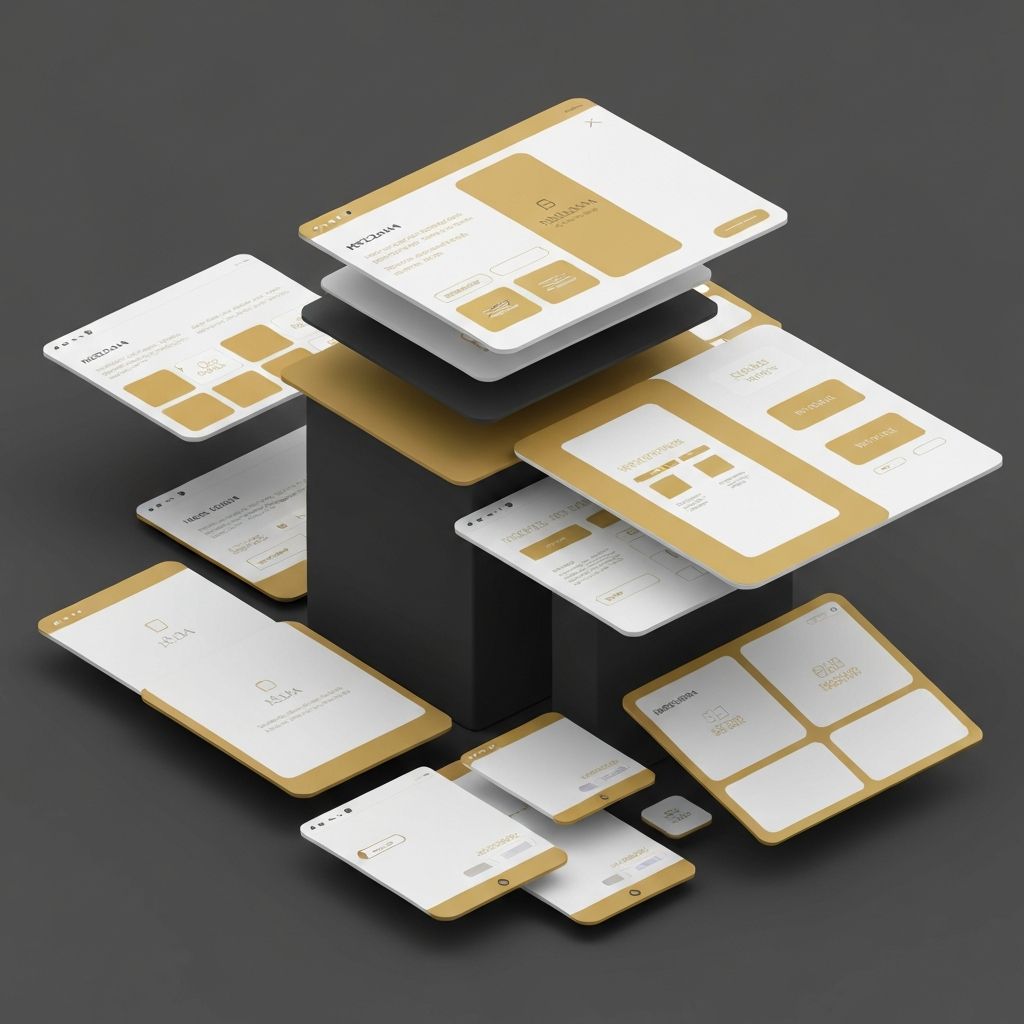
What Are Graphic Design Web Templates?
Graphic design web templates are pre-built website layouts created by designers and developers, intended to be customized for various businesses and purposes. They typically include a homepage, inner pages, and ready-to-use components such as hero sections, service blocks, testimonial sliders, and contact forms. Templates are popular because they reduce time, cost, and complexity—making professional design accessible to small businesses, freelancers, and startups.
Templates exist for almost every platform, including WordPress, Shopify, Webflow, Wix, Squarespace, and HTML/CSS frameworks. Each ecosystem offers thousands of options at varying price points and quality levels.
Hire AAMAX.CO to Customize or Build Beyond Templates
Brands that want more than a generic look can hire AAMAX.CO to customize a premium template or build a fully custom site from scratch. They are a full-service digital marketing company offering web development, digital marketing, and SEO services worldwide. Their team transforms templates into branded, conversion-driven experiences and also delivers fully bespoke website development when a project demands a one-of-a-kind solution.
The Advantages of Using Web Templates
The biggest advantage of templates is speed. A small business can launch a professional-looking website in days rather than weeks or months. Templates also tend to follow modern design trends, include responsive layouts, and integrate with popular tools like analytics, email marketing, and e-commerce platforms.
Another major benefit is cost. Custom websites can range from a few thousand to tens of thousands of dollars, while quality templates often cost less than a hundred. For early-stage businesses with limited budgets, templates offer a way to get online without sacrificing visual quality.
The Limitations of Templates
Despite their advantages, templates have real limitations. Because they are designed to fit many businesses, they often lack the unique personality of a custom design. Visitors who have seen the same template on competing websites may subconsciously associate the brand with being generic or unoriginal.
Templates can also be technically restrictive. Custom features, integrations, or unique animations may require code modifications that are difficult to implement on top of an existing template. Performance can suffer when templates include unnecessary scripts, heavy assets, or unused features.
How to Choose the Right Template
Choosing the right template starts with clarity about goals. A business should know what actions visitors should take—buy a product, book a call, fill out a form—before evaluating templates. The chosen template should support those actions clearly through its layout and call-to-action structure.
Quality matters more than quantity. A template from a reputable marketplace with strong reviews, regular updates, and clean code is far better than a cheap or pirated alternative. Performance, mobile responsiveness, accessibility, and SEO friendliness should all be evaluated before purchase.
Customizing Templates to Stand Out
The secret to making a template feel custom is thoughtful customization. Replacing default fonts, colors, and stock imagery with brand-specific assets dramatically changes the feel of the site. Custom illustrations, photography, and icon sets transform a templated site into something that feels uniquely owned by the brand.
Editing layouts, removing unnecessary sections, and rewriting copy in the brand's voice further personalize the experience. The goal is to use the template as a foundation, not a finished product.
SEO Considerations for Template-Based Sites
Templates are not automatically SEO friendly. Bloated code, slow load times, and missing schema can hurt rankings. After installing a template, businesses should optimize image sizes, clean up unused features, configure proper meta tags, and ensure structured data is correctly implemented. Working with an experienced developer or agency ensures these technical fundamentals are handled correctly.
Final Thoughts
Graphic design web templates are powerful tools when used strategically. They make professional design more accessible, but they also require intentional customization and technical care to truly perform. Whether a business chooses a template or a custom build, the design should always serve the brand and its customers first.
Want to publish a guest post on aamconsultants.org?
Place an order for a guest post or link insertion today.