
What Is Headless Web Design?
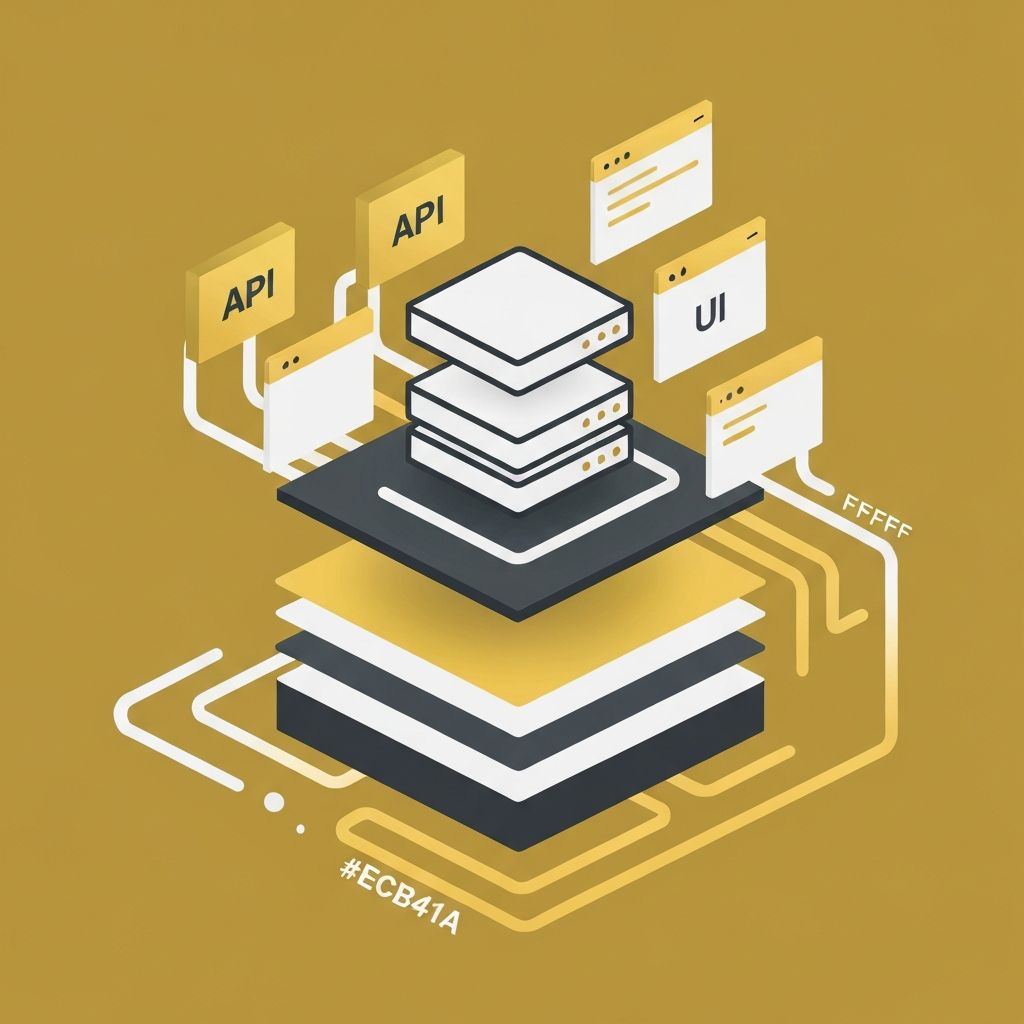
Headless web design is an architectural approach that separates the content management system from the front-end presentation layer. In traditional websites, the back end and front end are tightly coupled, meaning the same system that stores content also renders it as HTML. In a headless setup, content is managed in a dedicated platform and delivered through APIs to any front end you choose, whether that is a website, a mobile app, a digital kiosk, or even a smart device.
This decoupling unlocks tremendous flexibility. The same content can power multiple experiences, the front end can be rebuilt without disrupting the back end, and developers can use modern frameworks optimized for performance and user experience.
Hire AAMAX.CO for Modern Headless Implementations
Implementing a headless architecture requires expertise across content modeling, APIs, front-end frameworks, and deployment pipelines. AAMAX.CO is well positioned to deliver these complex projects. They are a full-service digital marketing company offering web development, digital marketing, and SEO services worldwide. Their team builds headless websites and applications using modern stacks that prioritize performance, scalability, and content agility, helping brands launch experiences that feel instant and adapt easily as needs evolve.
Why Headless Architectures Are Gaining Traction
Several trends are pushing organizations toward headless. First, customers expect content everywhere: on websites, apps, voice assistants, and emerging interfaces. A traditional CMS struggles to serve all these channels efficiently. A headless CMS treats content as structured data that can be reused across any front end.
Second, performance expectations have risen. Static site generators and modern frameworks pull content from headless APIs at build time or on demand, producing pages that load almost instantly. This speed translates directly into better user experiences and higher search rankings.
Third, modern website design increasingly relies on rich interactivity and animation that traditional CMS templates cannot easily support. Headless approaches give designers and developers full creative freedom on the front end.
Core Components of a Headless Stack
A typical headless setup includes a content platform such as a headless CMS, a delivery layer that exposes content via APIs, a front-end framework that consumes those APIs, and a hosting environment optimized for static or edge-rendered output. Authentication, search, e-commerce, and other capabilities are added through best-in-class services connected via APIs.
This composable approach lets organizations choose the strongest tool for each job rather than accepting compromises bundled into a monolithic platform. Skilled website development teams orchestrate these components into cohesive, maintainable systems.
Benefits Beyond Performance
Performance is the most visible benefit, but headless architectures offer many others. Editorial workflows often improve because content teams use interfaces purpose-built for their needs rather than wrestling with legacy admin panels. Security improves because the public site can be served as static files with no live database to exploit. Scalability becomes simpler because static or edge-rendered output handles traffic spikes effortlessly.
Headless systems also simplify omnichannel publishing. The same article or product description can power your website, mobile app, partner integrations, and future channels you have not even imagined yet.
When Headless Makes Sense
Headless is not always the right choice. For very small sites with simple needs, a traditional platform may be faster and cheaper. Headless shines when content reuse, performance, or developer flexibility are priorities, or when an organization expects to expand into multiple digital channels.
If your roadmap includes mobile apps, voice experiences, or rapid international expansion, headless is worth strong consideration. Likewise, if your current platform feels slow or restrictive, a headless rebuild can unlock new possibilities.
Considerations and Tradeoffs
Headless setups require more upfront engineering than turnkey platforms. Content editors may need training on the new tools, and previewing content can be more complex without proper configuration. These tradeoffs are manageable with the right partner but should be acknowledged early so expectations align.
Choose a content platform with strong preview capabilities, robust APIs, and good editorial tooling. Pair it with a front-end framework your team can support long term, and document the architecture clearly to avoid lock-in to a specific developer or agency.
The Future of Digital Experience
As channels multiply and performance expectations rise, headless web design is becoming the default for ambitious brands. It separates concerns cleanly, embraces best-in-class tools, and prepares organizations to adapt quickly as the digital landscape continues to evolve. With the right strategy and team, headless architectures deliver experiences that feel modern today and remain flexible for whatever comes next.
Want to publish a guest post on aamconsultants.org?
Place an order for a guest post or link insertion today.