
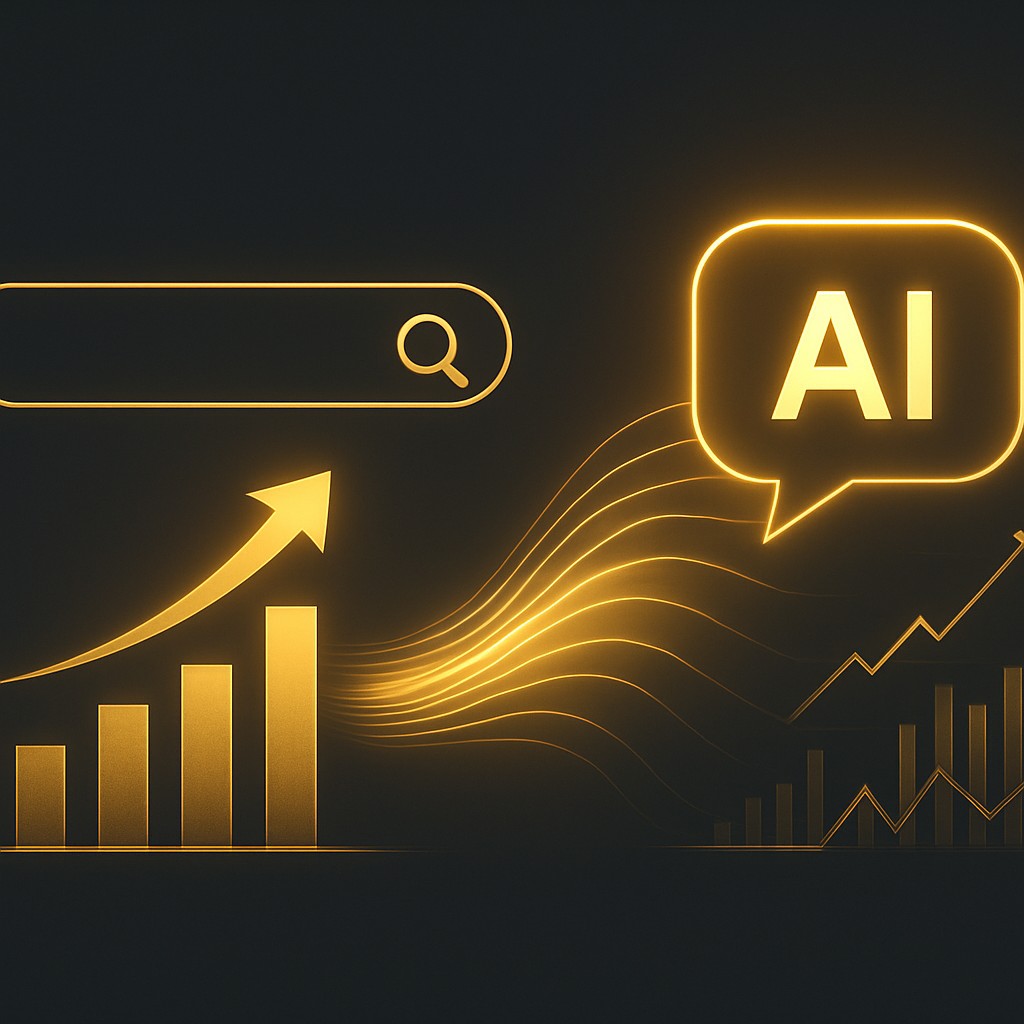
The launch of AI Mode and AI-generated search experiences has prompted a wave of speculation that traditional SEO is becoming obsolete. When search engines answer questions directly with synthesized summaries, it can seem like ranking pages and optimizing keywords no longer matter. Yet the reality is that traditional SEO is not only still important after AI Mode; it forms the very foundation on which AI search results are built. Understanding this relationship is essential for any brand that wants to remain visible as search continues to evolve.
How AAMAX.CO Bridges Traditional and AI-Era SEO
Navigating the coexistence of classic and AI-driven search requires a partner fluent in both, and AAMAX.CO fits that role well. As a full-service digital marketing company serving clients worldwide, they ground their work in proven search engine optimization while layering in modern techniques like generative engine optimization to capture visibility in AI answers. Their approach recognizes that strong fundamentals power everything, so they help businesses maintain healthy, authoritative websites that perform well across both traditional rankings and AI-generated results. For organizations unsure where to focus their efforts, they provide clarity and a balanced, future-ready strategy.
Understanding AI Mode and Its Impact
AI Mode refers to search experiences where artificial intelligence synthesizes information from multiple sources and presents users with a direct, conversational answer rather than a simple list of links. This changes the user journey significantly. People can get quick answers without clicking through to a website, and the prominence of these AI summaries shifts attention away from the traditional list of blue links.
Naturally, this has led some to conclude that optimizing for rankings is pointless. But this assumption overlooks a crucial fact: AI Mode does not invent information independently. It pulls from indexed web content, prioritizing sources that demonstrate authority, accuracy, and relevance. The pages that AI draws from are the same ones that perform well under traditional SEO principles.
Why Traditional SEO Remains the Foundation
Traditional SEO encompasses the practices that make a website discoverable, crawlable, and trustworthy: quality content, technical health, fast performance, mobile usability, internal linking, and authoritative backlinks. These elements determine whether a site is indexed and how credible it appears to search systems. AI Mode relies on this same index and these same credibility signals to choose which sources to summarize and cite.
In practice, this means a website that ignores SEO fundamentals will not appear in AI-generated answers any more than it would rank in traditional results. If a page is slow, poorly structured, thin on content, or lacking authority, AI systems have no reason to trust or feature it. Traditional SEO is therefore not a competing strategy but a prerequisite for AI visibility.
How AI Mode Extends, Rather Than Replaces, SEO
The smartest way to think about AI Mode is as an extension of SEO rather than a replacement. The goals have expanded from earning clicks to also earning citations and inclusion in AI summaries, but the path to both runs through the same core practices. High-quality, well-organized content that directly answers user questions performs well in both contexts.
That said, AI Mode does reward certain refinements. Content that provides clear, concise answers to specific questions is more likely to be extracted and summarized. Structured data helps AI understand the meaning and context of content. Demonstrating genuine expertise and trustworthiness, often summarized as experience, expertise, authoritativeness, and trustworthiness, increases the likelihood of being featured. These are evolutions of traditional SEO, not departures from it.
Building a Strategy That Works for Both
A resilient search strategy treats traditional SEO and AI optimization as complementary. It starts with the basics: a technically sound website, comprehensive and accurate content, and a strong backlink profile. On top of this foundation, brands should optimize for AI by answering questions directly, using clear structure, implementing structured data, and building recognized authority in their subject areas.
Measuring success also requires a broader view. Beyond rankings and traffic, brands should track their presence in AI overviews and the quality of the audiences they attract. By monitoring how they appear across both traditional and AI-driven surfaces, businesses can refine their approach and stay ahead of changes.
Common Mistakes to Avoid
As brands react to AI Mode, several missteps can undermine their efforts. One is abandoning proven SEO fundamentals in a panic, which leaves a site invisible to both traditional search and AI systems that rely on the same index. Another is producing thin, AI-generated content at scale in hopes of gaming the system; this dilutes quality and erodes the authority that AI specifically rewards. A third mistake is ignoring technical health, since slow, poorly structured sites are unlikely to be crawled, trusted, or cited. The brands that succeed avoid these traps by staying disciplined about quality, maintaining strong technical foundations, and treating AI optimization as an addition to, not a substitute for, the timeless principles of good SEO.
Conclusion
Traditional SEO is absolutely still important after AI Mode. Far from being obsolete, it is the bedrock on which AI search results are constructed. The brands that maintain strong fundamentals while adapting to AI-era expectations will remain visible no matter how search evolves. Rather than abandoning traditional SEO, the wise move is to strengthen it and extend it with AI-focused techniques. With the right balance and expert guidance, businesses can ensure they are found by both people and the AI systems that increasingly mediate the search experience.
Want to publish a guest post on aamconsultants.org?
Place an order for a guest post or link insertion today.