
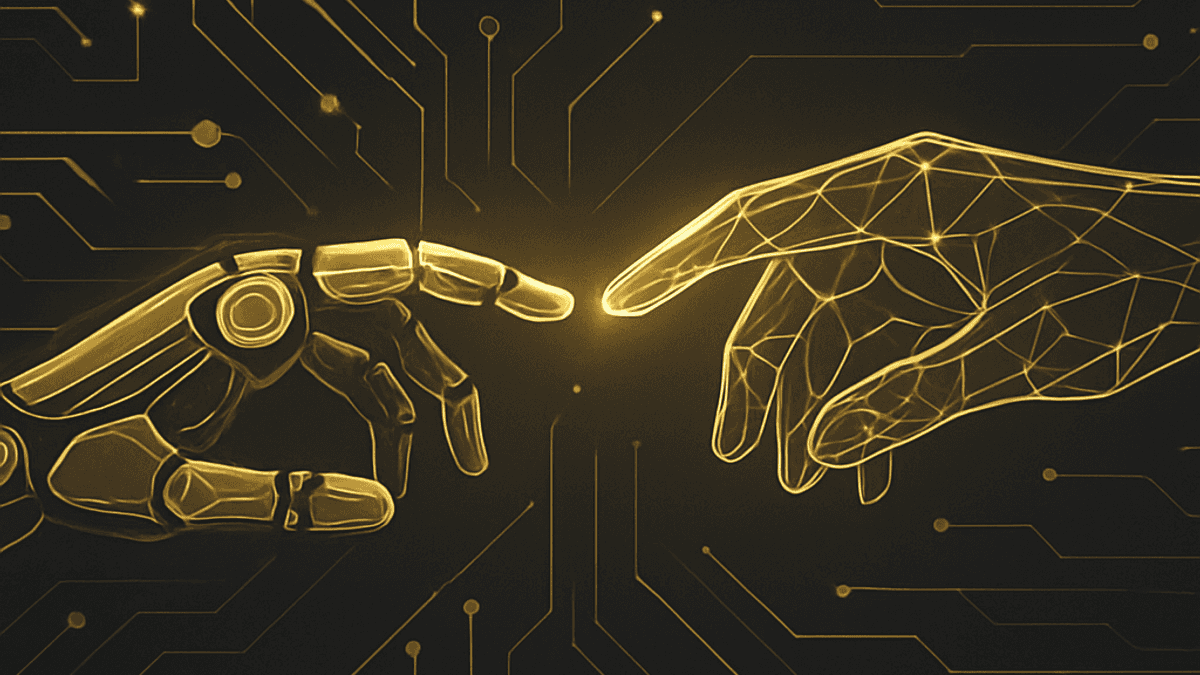
The rise of artificial intelligence has sparked an understandable question among marketing professionals: will AI take over our jobs? The short answer is that AI is changing marketing work profoundly, but it is far more likely to transform roles than to eliminate them. Understanding which tasks AI handles well, and which still require human judgment, is the key to thriving in this new era.
How AAMAX.CO Helps Teams Embrace AI Without Losing the Human Touch
Many businesses worry about balancing automation with authenticity, and AAMAX.CO helps them strike that balance. Their team integrates AI into digital marketing workflows and prepares content for AI-driven discovery through generative engine optimization, all while keeping human creativity and strategy at the core. As a worldwide agency, they show clients how AI can augment their teams rather than replace them.
What AI Does Exceptionally Well
AI excels at repetitive, data-heavy, and time-consuming tasks. It can generate first drafts, segment audiences, analyze large datasets, run A/B tests, schedule content, and answer routine customer questions. These are precisely the tasks that often drain a marketer's time and energy. By automating them, AI removes friction and increases output, allowing campaigns to move faster and cover more ground.
What AI Cannot Replace
Despite its power, AI lacks genuine creativity, emotional intelligence, and cultural understanding. It cannot build authentic relationships, sense the mood of a community, or make nuanced ethical decisions. Strategy, brand vision, storytelling, and empathy remain deeply human strengths. AI can suggest ideas, but it cannot truly understand the human experiences that great marketing taps into. These irreplaceable qualities ensure marketers remain essential.
From Doing Tasks to Directing Outcomes
The most significant change is a shift in the marketer's role. Instead of personally executing every task, marketers increasingly direct AI tools, review their output, and focus on higher-level thinking. This is similar to how calculators did not eliminate accountants but allowed them to focus on analysis and advice. Marketers who learn to orchestrate AI effectively will accomplish far more than they could alone.
New Roles Created by AI
Far from only eliminating work, AI is creating new opportunities. Roles such as AI content strategist, prompt specialist, automation manager, and data storyteller are emerging. There is growing demand for professionals who can guide AI ethically, interpret its insights, and integrate it into broader strategy. As with past technological shifts, new tools tend to create categories of work that did not previously exist.
The Skills That Will Matter Most
To stay relevant, marketers should invest in skills that complement AI rather than compete with it. Strategic thinking, creativity, emotional intelligence, and ethical judgment become more valuable as routine tasks are automated. Practical AI literacy, including the ability to prompt tools effectively and critically evaluate their output, is also essential. Continuous learning will be the defining trait of successful marketers.
A Realistic View of the Future
It is healthy to acknowledge that some tasks and even some narrowly focused roles will shrink as automation grows. However, history shows that technology tends to reshape work rather than abolish it entirely. The marketers most at risk are those who refuse to adapt. Those who embrace AI as a collaborator will likely find their work more strategic, creative, and impactful than ever.
How to Future-Proof Your Career
Start by experimenting with AI tools in your daily work to understand their strengths and limits. Develop a strong foundation in strategy and analytics, and cultivate the human skills that machines cannot replicate. Stay curious, keep learning, and position yourself as someone who can bridge the gap between technology and human insight. This combination makes you valuable regardless of how the tools evolve.
Lessons From Past Technological Shifts
History offers reassurance for anyone anxious about automation. The arrival of the internet, search engines, and social media each triggered fears of job losses, yet each ultimately expanded the marketing profession and created entirely new specialties. Email marketing, social media management, and search optimization are all roles that did not exist before the technologies that enabled them. AI is following a similar pattern, reshaping the mix of skills in demand rather than erasing the field.
The professionals who thrived during those transitions were the ones who learned the new tools early and applied them creatively. The same will be true with AI. By treating it as an extension of your capabilities rather than a competitor, you place yourself among the adopters who define the next era of marketing rather than the ones left behind by it.
Frequently Asked Questions
Will entry-level marketing jobs disappear? Some routine entry-level tasks will be automated, but new roles and responsibilities are emerging. Building AI literacy early gives newcomers an advantage.
Should I be worried about my marketing career? Worry is less useful than preparation. Professionals who adapt and learn to work alongside AI are well positioned for the future.
Can AI run an entire marketing campaign alone? It can assist with many components, but human oversight is still needed for strategy, creativity, ethics, and quality control.
Conclusion
AI is not so much taking over marketing jobs as it is redefining them. It automates the repetitive and amplifies the strategic, shifting the marketer's focus toward creativity, judgment, and human connection. By embracing AI as a partner and investing in irreplaceable human skills, marketing professionals can future-proof their careers and do more meaningful work than ever before.
Want to publish a guest post on aamconsultants.org?
Place an order for a guest post or link insertion today.