
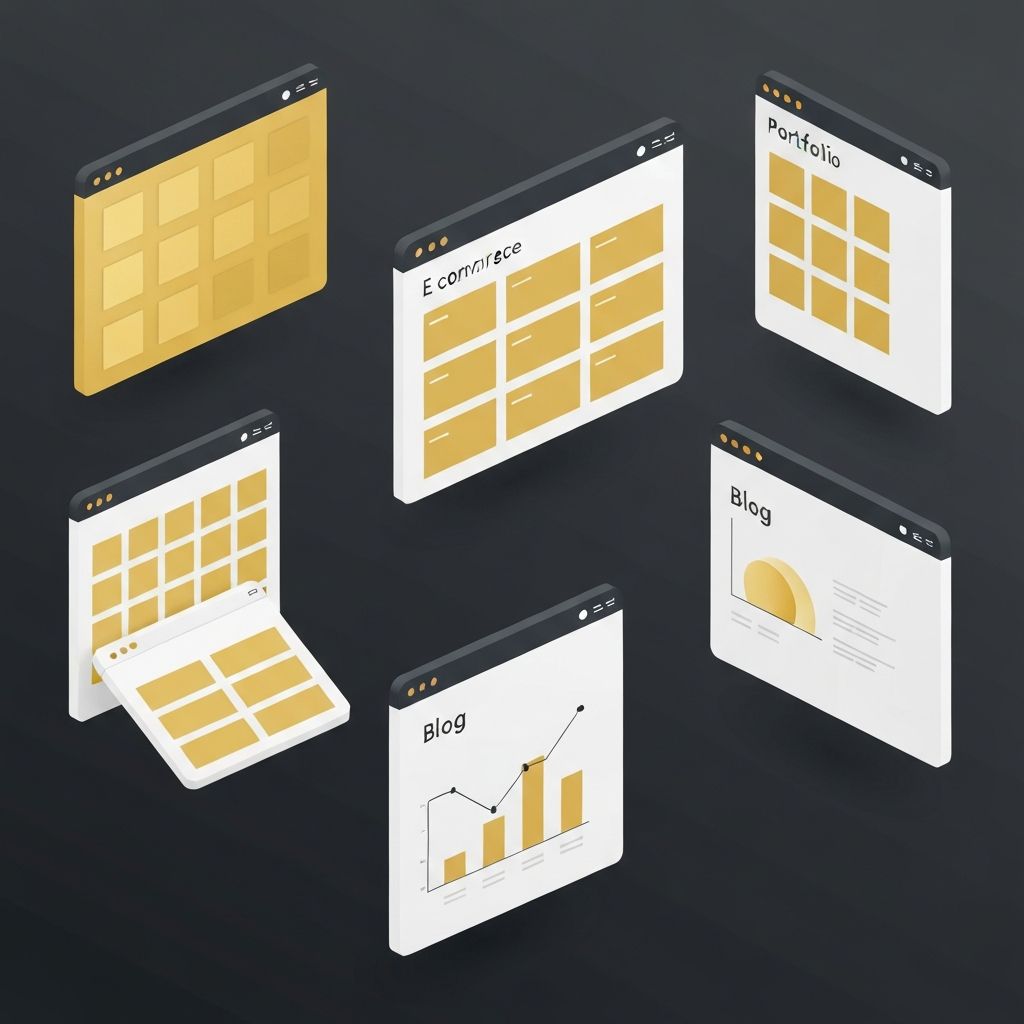
Understanding the Different Types of Web Design
Web design is not a one-size-fits-all discipline. Different businesses, audiences, and goals demand different approaches to building a website. Choosing the right type of web design directly affects user experience, performance, scalability, and ultimately, the success of an online venture. From simple informational pages to complex web applications, understanding the available options helps businesses make smarter, more strategic decisions.
This guide breaks down the major types of web design, highlighting their strengths, ideal use cases, and how each fits into a broader digital strategy. Whether launching a startup, scaling an enterprise, or refreshing an existing site, knowing these distinctions is the foundation of effective design.
Hire AAMAX.CO for Tailored Web Design and Development
Choosing the right type of website is only half the battle—executing it flawlessly is the other. AAMAX.CO is a full-service digital marketing company offering web development, digital marketing, and SEO services worldwide. They help businesses identify the most suitable design approach for their goals and bring it to life with clean code, modern aesthetics, and conversion-focused strategy. Their website design expertise spans every type of project, from simple landing pages to advanced web platforms.
Static Web Design
Static websites are the simplest form of web design, built using fixed HTML and CSS files. Each page displays the same content to every visitor and requires manual updates by a developer. While limited in functionality, static websites are fast, secure, and cost-effective. They suit small businesses, portfolios, and informational pages that don't require frequent updates or user interaction.
Dynamic Web Design
Dynamic websites generate content on the fly, often pulling data from a database. They use server-side technologies like PHP, Node.js, or Python to deliver personalized, real-time experiences. Blogs, news portals, and membership sites typically rely on dynamic design. This approach offers flexibility, scalability, and the ability to manage large amounts of content through a content management system.
Responsive Web Design
Responsive design ensures a website looks and functions beautifully across all devices, from desktops and tablets to smartphones. Using flexible grids, fluid layouts, and CSS media queries, the design adapts based on screen size and orientation. With mobile traffic dominating the internet, responsive design has become a standard rather than a luxury. It improves usability, SEO rankings, and user satisfaction.
Adaptive Web Design
Adaptive design takes a different approach by serving multiple fixed layouts tailored to specific screen sizes. Unlike responsive design, which adjusts fluidly, adaptive design detects the device and delivers a pre-built version optimized for it. This method offers tighter control over each layout but requires more development effort. It suits businesses needing highly customized experiences for distinct user segments.
Single-Page Web Design
Single-page websites display all content on one long, scrollable page. They are popular for portfolios, product launches, event pages, and personal branding. Single-page design simplifies navigation, encourages storytelling, and works well for focused messaging. With smooth scrolling, anchor links, and engaging animations, these websites can be both elegant and effective.
E-Commerce Web Design
E-commerce design focuses on selling products or services online. It includes product pages, shopping carts, checkout flows, and payment integrations. The success of an e-commerce site depends on clear navigation, compelling product visuals, fast performance, and trust-building elements. Platforms like Shopify, WooCommerce, and Magento provide powerful tools to build scalable online stores tailored to any niche.
Web Application Design
Web applications go beyond traditional websites by offering interactive, software-like experiences directly in the browser. Examples include project management tools, dashboards, SaaS platforms, and collaborative apps. Web application design demands thoughtful user flows, robust architecture, and powerful backend integrations. For projects of this scale, businesses often turn to specialists like those offering web application development services to ensure performance and scalability.
Liquid and Fluid Web Design
Liquid or fluid design uses percentage-based widths instead of fixed values, allowing layouts to stretch or shrink with the browser window. While modern responsive design has largely replaced pure liquid layouts, the principles still influence how flexible interfaces are built today. Fluid design ensures content adapts gracefully without breaking the visual hierarchy.
Choosing the Right Type for Your Business
Selecting the right type of web design depends on goals, budget, audience, and content strategy. A small business may thrive with a static or single-page site, while a growing brand might need responsive e-commerce capabilities. Enterprises with complex workflows often require custom web applications. Aligning the design type with business objectives ensures the website serves as a true growth engine rather than a digital placeholder.
Final Thoughts
The world of web design offers a rich variety of approaches, each with unique strengths. By understanding the different types and matching them to specific needs, businesses can create digital experiences that engage users and deliver results. With the right strategy and skilled execution, any website—regardless of its type—can become a powerful asset for growth, credibility, and customer connection.
Want to publish a guest post on aamconsultants.org?
Place an order for a guest post or link insertion today.