
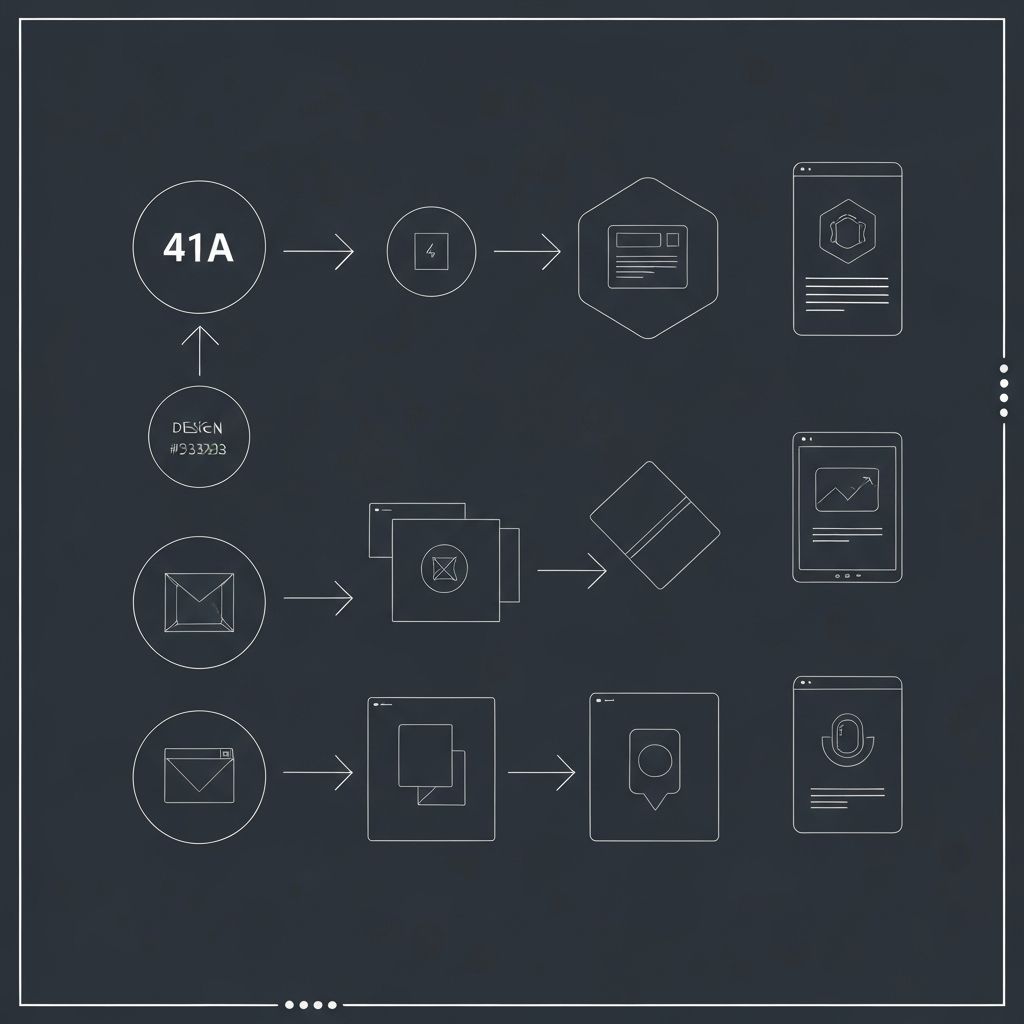
Inside the Modern Web Designer Workflow
A successful website rarely happens by accident. Behind every polished, high-performing site is a structured workflow that guides the project from initial idea to live launch and beyond. Understanding this workflow helps clients set realistic expectations, supports designers in delivering consistent results, and ensures that nothing important falls through the cracks. While each designer or agency may tweak the process to fit their own preferences, the core stages tend to remain remarkably similar across the industry.
Streamline Your Project with AAMAX.CO
Working with an experienced agency that has a proven workflow can save countless headaches. AAMAX.CO is a full-service digital marketing company offering website development services worldwide. Their team follows a refined process that emphasizes clear communication, milestone-based deliverables, and rigorous quality assurance. From the first discovery call to post-launch support, they keep clients informed and projects on track, ensuring that every website they build is delivered on time, on budget, and to a high standard.
Discovery and Strategy
Every great web project begins with discovery. In this phase, designers learn about the client's business, audience, goals, competitors, and constraints. Discovery may include kickoff meetings, stakeholder interviews, brand audits, and analytics reviews if an existing site is being redesigned. The output is typically a strategy document that defines the project's objectives, success metrics, target users, and scope. This foundation guides every decision that follows.
Research and Inspiration
With the strategy in place, designers gather inspiration and conduct research. This may include studying competitor websites, browsing design galleries, collecting visual references, and reviewing user research findings. Mood boards and style tiles often emerge during this phase, helping clients and designers align on aesthetic direction before time is invested in detailed mockups. Strong research reduces revisions later by ensuring everyone is on the same page early.
Information Architecture and Wireframing
Before applying any visual styling, designers map out the structure of the site. Information architecture (IA) involves organizing content into clear categories and hierarchies. Wireframes follow, sketching the layout of each key page. These low-fidelity blueprints focus on content placement, navigation, and functionality rather than aesthetics. Wireframing is one of the most important stages because it forces stakeholders to make critical decisions about priorities and user flow.
Visual Design and Mockups
Once wireframes are approved, designers create high-fidelity mockups that bring the layout to life with typography, color, imagery, and interactive elements. This is often the most exciting phase for clients, as the website starts to look real. Designers typically present a homepage and a few key inner pages first, gathering feedback before extending the design system to the rest of the site. Maintaining consistency across all pages is critical at this stage.
Prototyping and User Testing
Modern design tools make it easy to turn static mockups into interactive prototypes. Prototypes allow clients to click through the site, experience navigation, and test key flows before development begins. For larger projects, designers may run formal usability tests with real users, gathering insights that lead to refinements. Catching issues at the prototype stage is far cheaper than fixing them in code.
Development Handoff
When designs are approved, they are handed off to developers. Modern handoff tools such as Figma's Dev Mode and Zeplin generate specs, assets, and CSS snippets automatically. Designers should also document interactions, edge cases, and responsive behavior. Close collaboration between designers and developers during this phase ensures the final build matches the design intent and meets performance and accessibility standards.
Quality Assurance and Launch
Before going live, the website undergoes rigorous quality assurance (QA). Designers and developers review each page across browsers and devices, check forms, validate accessibility, test performance, and verify that all integrations work correctly. Once QA is complete, the site is launched, ideally during a low-traffic window with a clear rollback plan in case of issues. A well-prepared launch is calm, controlled, and uneventful.
Post-Launch Optimization
The workflow does not end at launch. Successful websites are continuously monitored, analyzed, and optimized based on real user data. Designers and clients review analytics, run A/B tests, and roll out new content and features over time. Treating the website as a living product rather than a static deliverable is what separates great agencies from average ones, and it is what consistently produces sites that grow more valuable year after year.
Want to publish a guest post on aamconsultants.org?
Place an order for a guest post or link insertion today.