
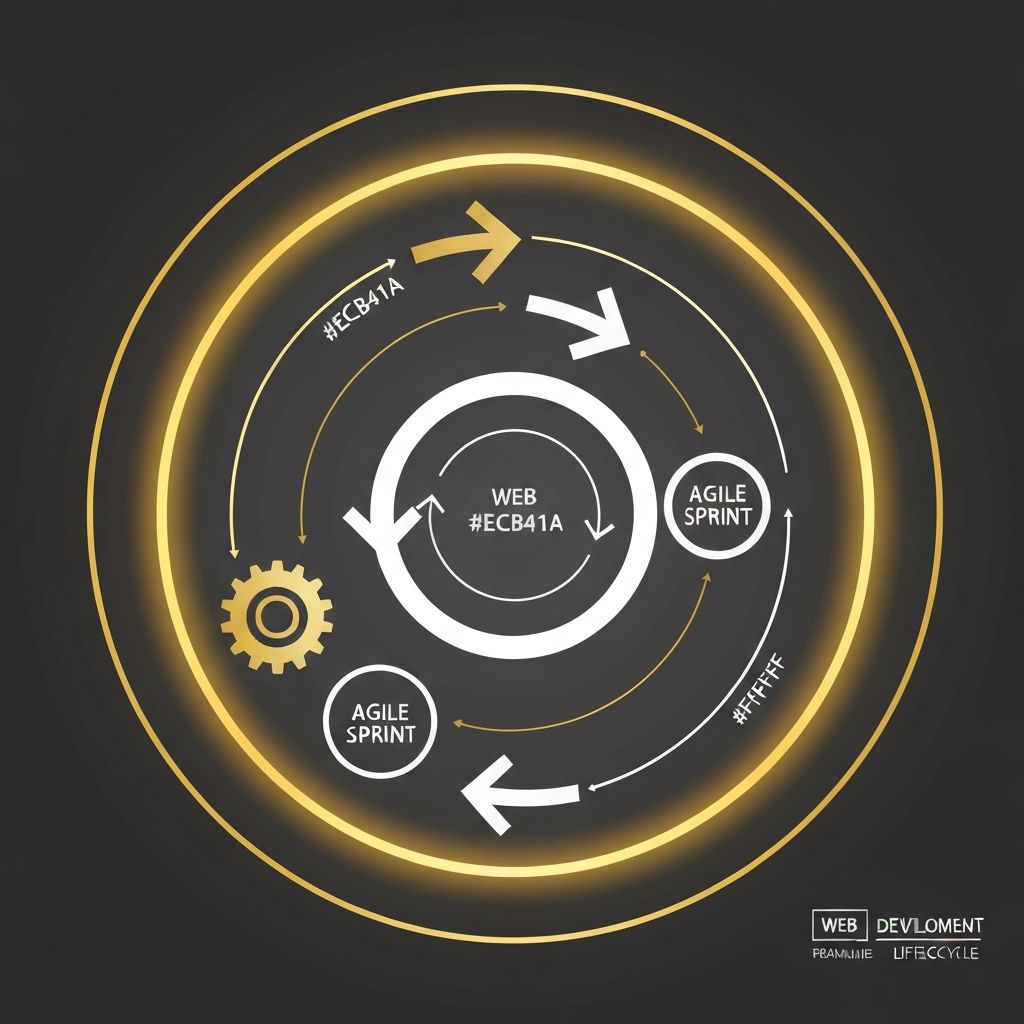
A Complete Guide to the Web Development Cycle
The web development cycle is a structured process that transforms an idea into a fully functional website or web application. Understanding this cycle is essential for anyone involved in web projects, whether you are a developer, project manager, business owner, or stakeholder. The development cycle provides a framework that ensures projects are completed efficiently, meet quality standards, and deliver value to end users. In 2026, the web development cycle has evolved to incorporate agile methodologies, continuous integration, and modern deployment practices that enable faster delivery without sacrificing quality. This comprehensive guide walks you through each phase of the web development cycle and provides actionable insights for successful project execution.
Streamlined Web Development with AAMAX
AAMAX is a full-service digital marketing company that provides expert web development, digital marketing, and SEO services worldwide. They follow a well-defined web application development cycle that ensures every project is delivered on time, within budget, and to the highest standards of quality. Their structured approach to the development lifecycle includes thorough planning, iterative design reviews, rigorous testing, and seamless deployment. By following industry best practices at every stage, AAMAX consistently delivers websites and applications that exceed client expectations and drive measurable business results.
Phase One: Discovery and Planning
The discovery and planning phase is the foundation of any successful web development project. During this phase, the development team works closely with stakeholders to understand the project goals, target audience, business requirements, and technical constraints. This includes conducting market research, analyzing competitor websites, defining user personas, and establishing key performance indicators that will measure the project's success.
A detailed project plan is created during this phase, outlining the project scope, timeline, milestones, resource allocation, and budget. The team also develops a sitemap that defines the website's structure and navigation hierarchy. Wireframes are created to establish the basic layout and content placement for key pages. Thorough planning at this stage prevents costly changes later in the development cycle and ensures all stakeholders are aligned on the project's direction and expectations.
Phase Two: Design and Prototyping
The design phase transforms the wireframes and concepts from the planning phase into visual designs that define the look and feel of the website. Designers create mockups for key pages, establishing the color palette, typography, imagery, and overall visual identity. The design must align with the brand's guidelines while also following modern user experience principles and accessibility standards.
Interactive prototypes are created to simulate the user experience before any code is written. These prototypes allow stakeholders to click through the website's navigation, interact with interface elements, and provide feedback on the design. This iterative design process ensures that the final design meets the needs of both the business and its users. Design reviews and revisions continue until all parties approve the visual direction and user experience flow.
Phase Three: Front-End Development
Front-end development involves converting the approved designs into functional web pages using HTML, CSS, and JavaScript. Developers build responsive layouts that work seamlessly across desktops, tablets, and mobile devices. Modern front-end frameworks like React, Vue.js, or Next.js are commonly used to create dynamic, interactive user interfaces that provide smooth, app-like experiences.
During this phase, developers also implement animations, transitions, and interactive elements that enhance the user experience. Cross-browser testing ensures the website functions correctly across all major browsers and devices. Accessibility implementation ensures the website is usable by people with disabilities, following WCAG guidelines. Performance optimization, including code splitting, lazy loading, and image optimization, is integrated from the beginning to ensure fast loading times.
Phase Four: Back-End Development and Integration
Back-end development creates the server-side logic, databases, and APIs that power the website's functionality. This includes setting up the server environment, designing and implementing the database schema, building RESTful or GraphQL APIs, and integrating third-party services such as payment gateways, email services, and analytics platforms.
Security implementation is a critical aspect of back-end development. This includes input validation, SQL injection prevention, cross-site scripting protection, secure authentication and authorization systems, and data encryption. The back-end development phase also involves setting up content management systems that allow non-technical users to update website content without developer intervention.
Phase Five: Testing and Quality Assurance
Thorough testing is essential before any website goes live. The testing phase encompasses multiple types of testing, including functional testing to verify that all features work as expected, usability testing to ensure a positive user experience, performance testing to verify loading speeds and server response times, and security testing to identify and address vulnerabilities.
Automated testing frameworks are used alongside manual testing to ensure comprehensive coverage. Unit tests verify individual components, integration tests confirm that different parts of the system work together correctly, and end-to-end tests simulate real user workflows. Bug tracking systems document and prioritize issues found during testing, and developers work through these issues systematically before the website is approved for launch.
Phase Six: Deployment and Launch
The deployment phase involves moving the website from the development environment to the production server where it becomes accessible to users. This includes configuring the hosting environment, setting up domain names and SSL certificates, implementing CDN services for faster content delivery, and performing final checks to ensure everything works correctly in the production environment.
A well-planned launch strategy includes monitoring tools to track website performance and user behavior from day one. Analytics implementation provides insights into user engagement, traffic sources, and conversion rates. The team remains on standby during and after launch to address any issues that may arise quickly.
Phase Seven: Maintenance and Continuous Improvement
The web development cycle does not end at launch. Ongoing maintenance ensures the website remains secure, performant, and up to date. This includes applying security patches, updating software dependencies, monitoring server performance, and backing up data regularly. Regular website design reviews help identify areas for improvement based on user feedback and analytics data. Content updates keep the website fresh and relevant, while performance optimization ensures loading speeds remain fast as the site grows. The continuous improvement mindset transforms the web development cycle from a linear process into an ongoing journey of enhancement and evolution that keeps your website competitive and effective.
Want to publish a guest post on aamconsultants.org?
Place an order for a guest post or link insertion today.