
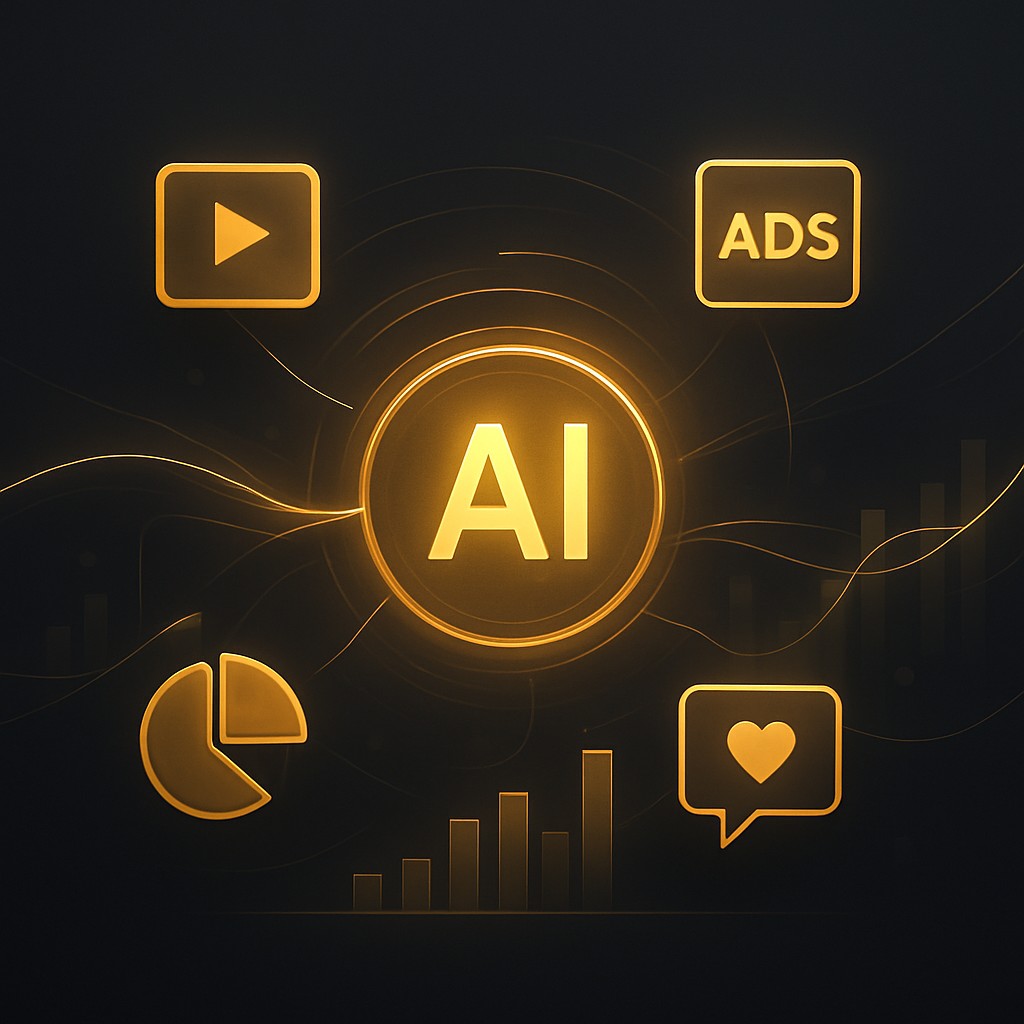
Artificial intelligence has moved from a futuristic concept to an everyday part of digital marketing. Across content, advertising, analytics, and customer engagement, AI tools now handle tasks that once required large teams and significant time. For marketers, understanding which categories of AI tools exist and how to use them is essential for staying competitive. This article surveys the main types of AI tools used in digital marketing and how they fit into a modern strategy.
Why AI Has Become Central to Digital Marketing
Digital marketing generates vast amounts of data and demands constant content production, optimization, and personalization. AI excels at exactly these challenges. It can analyze customer behavior at scale, generate content quickly, automate repetitive tasks, and optimize campaigns in real time. As a result, AI tools help marketers do more with fewer resources while improving accuracy and personalization.
The competitive pressure is real. Brands that adopt AI tools gain speed and efficiency, while those that resist risk falling behind on both cost and performance.
How AAMAX.CO Puts AI Tools to Work
Choosing and integrating the right tools is where strategy matters. AAMAX.CO is a full-service digital marketing company that serves clients worldwide and helps brands build cohesive, AI-powered marketing systems. Their team selects the right tools for each goal and connects them into efficient workflows, and their digital marketing services ensure that AI enhances results across content, campaigns, and customer engagement.
Content Creation and Optimization Tools
One of the largest categories of AI tools focuses on content. These tools assist with:
- Writing and drafting: Generating blog posts, ad copy, product descriptions, and social media content for human refinement.
- Editing and tone: Improving grammar, clarity, and brand voice consistency.
- Image and video generation: Creating visuals and edits quickly without large design budgets.
- Content optimization: Recommending keywords, structure, and improvements for better search performance.
Analytics and Insight Tools
AI-powered analytics tools help marketers understand and predict customer behavior. They identify patterns in large datasets, forecast trends, segment audiences automatically, and reveal which channels and messages perform best. Predictive analytics can estimate customer lifetime value, anticipate churn, and recommend the next best action, allowing marketers to make smarter, faster decisions.
Advertising and Campaign Tools
In paid media, AI optimizes campaigns continuously. It adjusts bids, allocates budgets, and tests creative variations automatically to maximize return on ad spend. AI also improves targeting by identifying the audiences most likely to convert and personalizing ad delivery. This automation reduces wasted spend and improves performance without constant manual intervention.
Personalization and Engagement Tools
AI enables one-to-one personalization at scale. Recommendation engines suggest relevant products and content, while dynamic personalization tailors website experiences and emails to individual users. Chatbots and virtual assistants handle customer queries instantly, qualify leads, and guide users through the buying journey, improving engagement and freeing human teams for complex interactions.
Automation and Workflow Tools
Marketing automation platforms increasingly embed AI to manage email sequences, social posting, lead nurturing, and workflow triggers. AI determines optimal send times, personalizes messaging, and routes leads intelligently. This reduces manual work and ensures consistent, timely communication across channels.
How to Use AI Tools Strategically
Adopting AI tools is not about using as many as possible; it is about choosing the right ones for clear goals. Marketers should start by identifying their biggest bottlenecks, whether that is content production, analytics, or campaign management, and select tools that address those needs. Integrating tools so they share data creates a cohesive system rather than disconnected silos. And human oversight remains essential to ensure quality, accuracy, and brand alignment.
Conclusion
AI tools now touch nearly every aspect of digital marketing, from content creation and analytics to advertising, personalization, and automation. Used strategically, they help marketers work faster, personalize more deeply, and achieve better results with fewer resources. The key is to select the right tools for specific goals, integrate them thoughtfully, and keep human judgment at the center. Brands that master this balance will build marketing systems that are both highly efficient and genuinely effective.
Want to publish a guest post on aamconsultants.org?
Place an order for a guest post or link insertion today.