
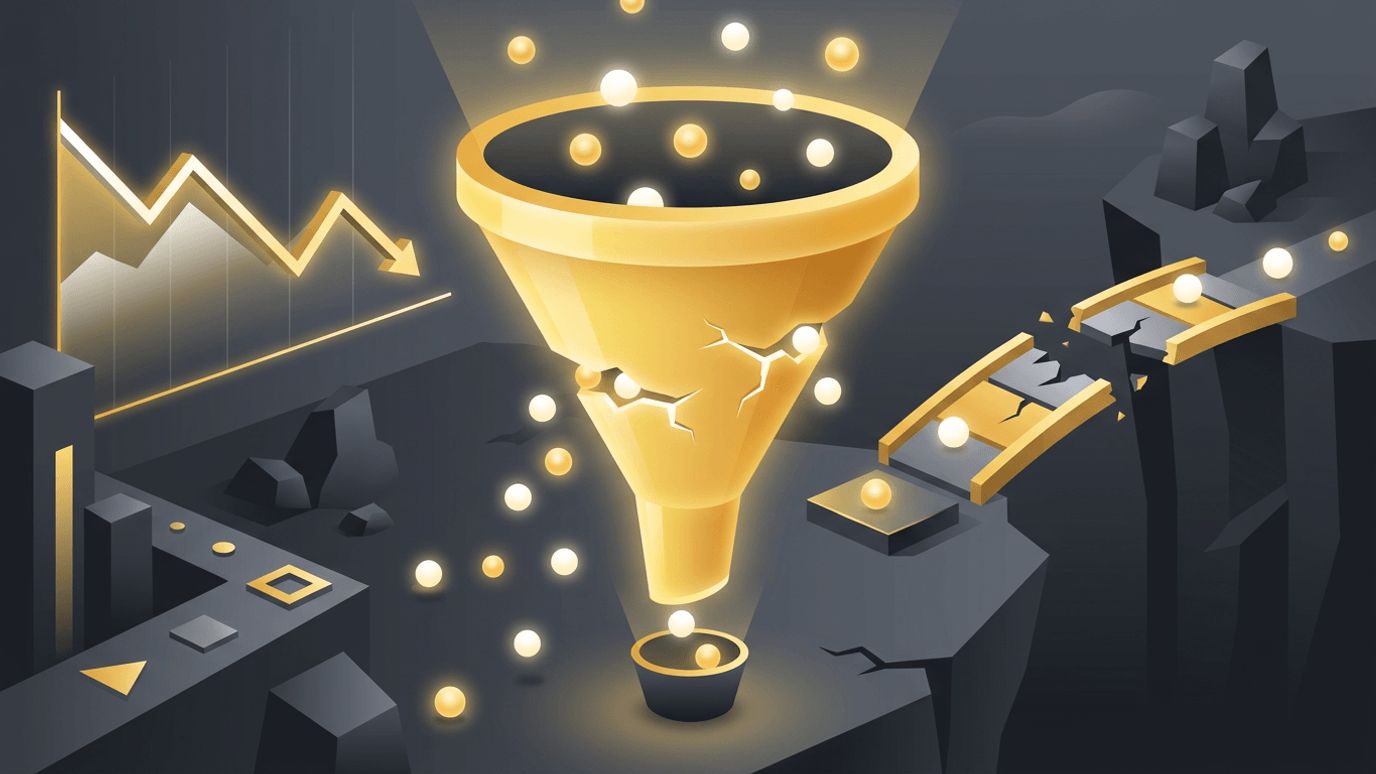
Marketing teams celebrate when lead numbers rise, but sales teams often tell a different story. Many of those leads never turn into customers. This disconnect is one of the most persistent frustrations in business, wasting budgets and creating tension between departments. In 2026, with buyers more informed and more selective than ever, understanding why marketing leads do not convert in sales is essential for any company that wants predictable revenue growth.
How AAMAX.CO Helps Improve Lead Quality and Conversions
Better conversions start with attracting the right audience and guiding them effectively. AAMAX.CO is a full-service digital marketing company offering web development, digital marketing, and SEO services worldwide. Their team focuses on attracting high-intent prospects through targeted search and advertising strategies, building landing pages that qualify visitors, and aligning messaging with what buyers truly need. By prioritizing lead quality over sheer volume, they help businesses build pipelines that sales teams can actually convert.
1. Poor Lead Quality
The most common reason leads fail to convert is that they were never a good fit in the first place. Campaigns optimized for volume often attract students, competitors, job seekers, or people with no budget or authority. Broad targeting, generic offers, and low-friction forms can inflate lead counts while lowering quality. Without a clear ideal customer profile guiding campaigns, marketing may generate leads that sales cannot realistically close.
2. Slow Follow-Up
Speed matters. Buyers who submit a form or request information expect quick responses, and their interest fades rapidly. Leads contacted within minutes are far more likely to convert than those contacted hours or days later. In 2026, buyers are used to instant answers from AI assistants and chat tools, making slow follow-up even more damaging.
3. Misalignment Between Sales and Marketing
When sales and marketing teams define qualified leads differently, conflict is inevitable. Marketing may pass leads based on engagement, while sales expects buying intent and budget. Without shared definitions, service level agreements, and regular communication, leads fall through the cracks and both teams blame each other.
4. Leads Passed Too Early
Many leads are not ready to buy when they first engage. Someone downloading a guide may be researching early-stage problems, not evaluating vendors. Passing these leads directly to sales leads to awkward conversations and lost opportunities. Effective lead scoring and nurturing ensure leads are handed off only when they show genuine buying signals.
5. Weak Lead Nurturing
Leads that are not ready to buy need ongoing, relevant engagement. Without nurturing, they forget about the brand or turn to competitors. Generic email blasts are not enough. In 2026, buyers expect personalized content tailored to their industry, role, and stage in the buying journey.
6. Messaging Mismatch
If marketing promises one thing and sales conversations deliver another, trust erodes quickly. Leads attracted by a specific offer or message expect continuity. Inconsistent messaging between ads, landing pages, and sales outreach confuses prospects and reduces conversion rates.
7. Lack of Buyer Insight
Sales teams often receive leads with minimal context. Without knowing which pages a lead visited, what content they consumed, or what problems they are trying to solve, sales reps cannot personalize conversations. Integrating CRM and marketing data gives sales teams the insight they need to engage effectively.
8. Ignoring the Buying Committee
B2B purchases involve multiple decision-makers. Focusing only on the individual who filled out a form can stall deals when other stakeholders are not engaged. Successful conversion strategies address the entire buying group with relevant information for each role.
9. Over-Reliance on Gated Content
In 2026, many buyers conduct research independently through AI tools, communities, and peer reviews before contacting vendors. Gated content often captures early-stage researchers rather than active buyers. Shifting focus toward intent signals, such as pricing page visits and demo requests, helps identify leads more likely to convert.
How to Fix Lead Conversion Problems
- Define your ideal customer profile: Align targeting and qualification criteria with sales.
- Implement lead scoring: Prioritize leads based on fit and engagement.
- Respond faster: Use automation, chat tools, and alerts to follow up within minutes.
- Create shared definitions: Establish clear MQL and SQL criteria agreed by both teams.
- Nurture with relevance: Deliver personalized content based on behavior and stage.
- Share data: Integrate marketing and CRM systems for complete lead context.
- Target high-intent channels: Invest in SEO services and Google Ads campaigns focused on bottom-of-funnel searches.
Measure What Matters
Shift success metrics from lead volume to pipeline contribution, conversion rates, deal velocity, and revenue. When marketing is measured on outcomes rather than raw leads, campaigns naturally focus on quality. Businesses unsure where their funnel is breaking down can benefit from digital marketing consultancy to audit and improve their process.
Conclusion
Marketing leads fail to convert for many reasons: poor quality, slow follow-up, misaligned teams, premature handoffs, weak nurturing, inconsistent messaging, and limited buyer insight. In 2026, buyers expect speed, relevance, and personalization. By aligning sales and marketing, focusing on high-intent prospects, and nurturing leads thoughtfully, businesses can turn more leads into loyal customers and build a more predictable revenue engine.
Want to publish a guest post on aamconsultants.org?
Place an order for a guest post or link insertion today.